


Dragonfist Limitless
4.73.77K Reviews
App Specs
- Version
- 4.25.08
- Updated On
- License
- Free
- Downloads
- 500,000+
- Developer
- Bitter Extracts
- Categories
- Simulation
- Platform
- Android
Screenshots
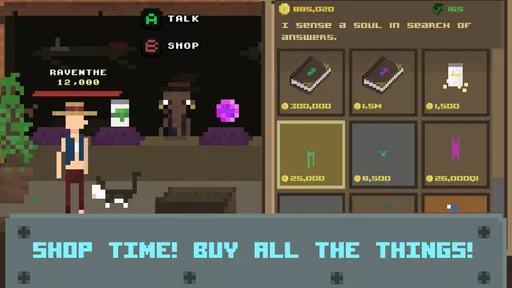
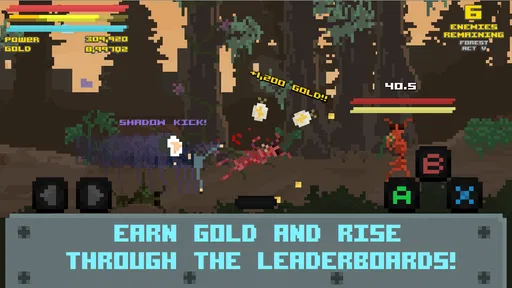

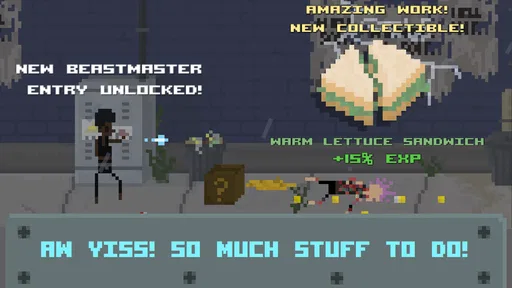
 Analysis by AppCompare
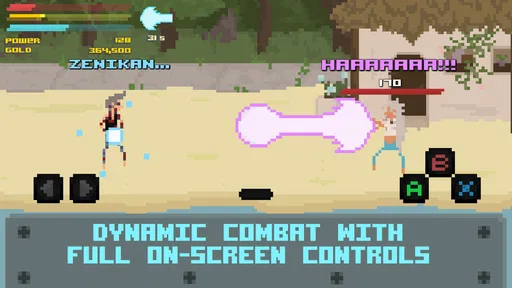
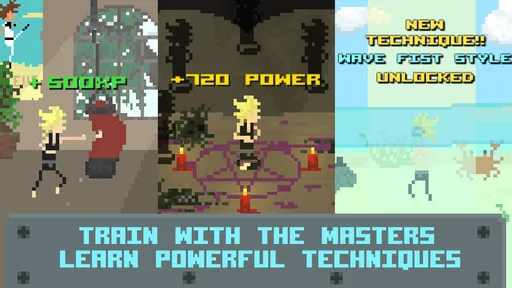
I approached Dragonfist Limitless expecting a light incremental game, but it quickly showed a more unusual personality. This is a simulation game built around training, progression, and a deliberately dark sense of humor, developed by Bitter Extracts. The basic idea is easy to understand: improve a fighter, make progress through repeated actions, and keep pushing toward stronger results. What makes it memorable is the pitch-black comedy surrounding that routine. The game does not treat training as a noble sports montage; it turns the whole process into something strange, exaggerated, and occasionally uncomfortable in a way that gives the repetition a clear identity.
I have found it most enjoyable in short sessions. It works well when I have a few minutes to check progress, make a decision, and leave it running in the background of my attention while doing something else. It is free to start, carries a Teen content rating, and has attracted a 4.7 average from around 39 thousand ratings, with more than 500 thousand installs. Those figures suggest that its odd mix of idle progression, role-playing structure, and comedy has found a real audience. Still, popularity does not make it a universal recommendation. The experience depends heavily on whether you enjoy gradual improvement and repeated optimization more than direct, moment-to-moment action.
How the training loop feels in everyday play
The first thing I would tell a new player is not to rush through every available option. The game makes more sense when I treat each visit as part of a routine rather than as a demand to complete everything immediately. I check what my current training is producing, look at the next meaningful improvement, and decide whether to spend resources now or save them for a more useful threshold. That small pause matters because incremental games can turn into a blur of taps when every button appears equally important.
A practical baseline workflow is simple. I begin by checking the current state of my fighter, then review the available training choices before collecting or spending anything. After that, I choose one immediate goal: improve the next part of the training cycle, unlock a more useful option, or prepare for a reset-style progression decision if the game has brought me to that point. Keeping one goal in mind prevents the interface from becoming a list of disconnected upgrades.
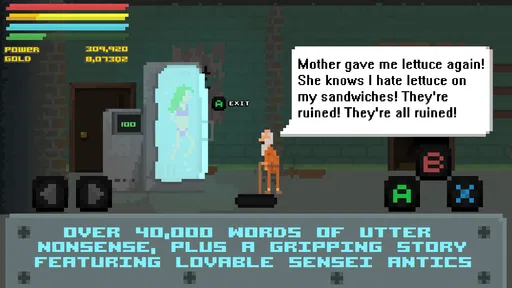
This approach also makes the comedy land better. The writing is easier to notice when I am not clicking mechanically through every screen. I like taking a moment to read the descriptions and see how the game frames its absurd training world. If you only want efficient numbers, some of that flavor may feel like an interruption. For me, it is part of the reason to play this particular incremental RPG instead of a more anonymous upgrade simulator.
A realistic use case is a commute or a short break at work. I can open the game, review the progress made since the last visit, make two or three deliberate choices, and close it without feeling that I have missed a real-time event. It is not a game I would choose when I want a demanding action challenge. It is better suited to moments where I want a small decision-making ritual and a little bizarre humor.
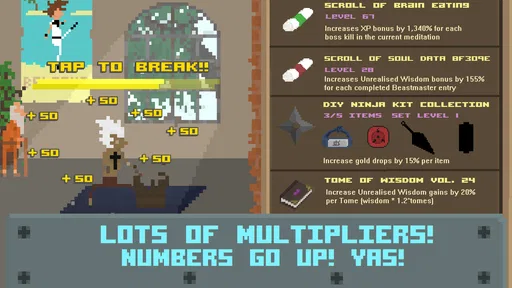
The most useful early habit is to separate progress from activity. A screen showing a larger number is not automatically the best destination for resources. I look for improvements that affect the rhythm of future sessions, because an upgrade that makes every later visit more productive can be more valuable than a flashy short-term gain. This is one of the first places where the game feels more thoughtful than its simple presentation suggests.
Worth Reading Before You Choose

Flipboard Shows What News Apps Must Do Beyond the Feed

Switching to Android Auto Means Rethinking Your Driving Routine

Google Calendar Makes a Crowded Week Easier to Manage

Ludo King Makes the Most of the Minutes Between Plans

Baby Panda World Brings Quick Play to Modern Phones, but Its Game Library Feels Busy

ESPN’s Live Game View Makes Following Close Games Easier
Settings and presentation choices worth checking
Dragonfist Limitless is not a visually elaborate game, and that is mostly an advantage for this format. The uncluttered presentation keeps attention on the training decisions and the text. Even so, I recommend checking the available device and in-game options before settling into a long session. The important question is not whether the game can look spectacular; it is whether the layout, text, sound, and notification behavior feel comfortable on your phone.
I prefer to play with distractions reduced. If sound effects or repeated alerts become irritating during a longer session, lowering them makes the game easier to keep open while I am doing something else. Players who enjoy the comedic timing may want sound enabled for a while, but I would not treat audio as essential to understanding the progression. The game’s core loop remains readable when played quietly, which makes it more suitable for public places and shared rooms.
Text deserves particular attention because the comedy is not just decoration. If the font or contrast feels tiring, I would adjust the phone’s display settings rather than forcing a long session. The game is at its best when I can read the descriptions without rushing. That is especially relevant for new players, since the humor often helps explain what kind of world I am dealing with and why the training is intentionally ridiculous.
It is also worth checking how the game behaves when I move between short visits and longer sessions. Incremental games invite constant checking, but that can turn a relaxing habit into needless phone use. I get better results by choosing specific times to return rather than opening the app every few minutes. The game rewards consistency more than nervous supervision, and that makes a planned routine more satisfying.
The current version is 4.25.08, and the game supports devices running Android 7.1 or later. That broad compatibility is useful for players using an older Android phone, although actual comfort will still depend on screen size and system performance. I would install it on a device where reading small interface elements is easy, because the experience involves repeated checks and choices rather than a single full-screen visual spectacle.
Faster patterns that save attention, not just taps
Experienced play is less about tapping quickly and more about reducing wasted decisions. I keep a short mental checklist: identify the next useful target, collect only when it supports that target, and avoid spending currency simply because it is available. This makes each session faster without turning it into a frantic routine. The biggest efficiency gain comes from knowing what I am deliberately ignoring.
One useful pattern is to group actions by purpose. I handle routine collection together, examine upgrades together, and leave experimentation for a separate visit. Mixing all three can make it difficult to tell which choice actually improved the experience. When I keep them separate, I can notice whether a change improves the pace of progress or merely creates a temporary feeling of activity.
Another strong habit is to reserve a small buffer of resources. Spending everything immediately can leave me unable to take advantage of a better option that appears shortly afterward. I do not need to save every item forever, but keeping some flexibility makes the game less frustrating. This is especially helpful when I am playing casually and do not want to rebuild a plan after every unexpected cost.
I also recommend using repeatable session lengths. For example, I might check the game once during a break and once later in the evening, rather than constantly interrupting other tasks. That rhythm gives the incremental systems time to produce visible progress. It also makes it easier to judge whether I am enjoying the game itself or merely responding to the habit of checking an icon.
The comedy can be used as a pacing tool. When a description or event catches my attention, I slow down and read it; when I am only collecting routine progress, I move quickly. That balance prevents the writing from becoming noise while keeping the game from turning into a spreadsheet. It is a small distinction, but it helps preserve the personality that separates this title from a generic idle trainer.
Players considering purchases should apply the same discipline. The game is free, but its in-app purchases range from $0.99 to $59.99 per item. I would play long enough to understand the normal progression before spending anything. If a purchase is meant to reduce waiting or accelerate a familiar loop, I would first ask whether that loop is still enjoyable. Paying to move faster is only useful when the destination remains fun.
Where optimization stops being comfortable
The main limitation is repetition. Incremental progression can be satisfying when each return reveals a meaningful change, but it can also flatten into routine if upgrades begin to feel interchangeable. Dragonfist Limitless softens that problem with its tone, yet the underlying structure still asks for patience. Anyone looking for constant novelty, precise controls, or a story that moves forward like a traditional role-playing game may become restless.
The humor will also divide players. The pitch-black approach is not a neutral backdrop, and some jokes may feel too grim or too deliberately tasteless depending on personal preference. The Teen rating is important context here. I would not recommend the game to a child, and I would not choose it for someone who wants a cheerful training fantasy. The game’s identity depends on its willingness to make the subject matter uncomfortable.
There is a trade-off between convenience and engagement. The more efficiently I organize routine actions, the less active the game can feel. That is not necessarily a flaw; it is the point of an incremental RPG for many players. But it means the best strategy can sometimes reduce the amount of interaction I am having with the game. I enjoy that when I want a low-pressure companion, but I would choose a more hands-on simulation for an evening when I want constant decisions.
Another limit is that the game asks me to accept its own pace. I cannot approach it like a conventional combat game and expect quick mastery through reflexes. Progress comes from repeated planning and returning at sensible intervals. If I skip too far ahead mentally, the smaller improvements lose their value. The experience works better when I treat each stage as a modest project rather than demanding a dramatic payoff every time I open it.
For that reason, I would skip it if my priority is competitive play, rich animation, or a large world to explore manually. A conventional role-playing game is a better fit for direct battles and character control. A more visual simulation may be better for players who want to manipulate systems in real time. Dragonfist Limitless is specifically for someone comfortable with watching a strange training machine gradually become more effective.
Who gets the most from this unusual incremental RPG
I think the strongest audience is made up of players who enjoy small optimizations, dry or dark comedy, and games that can be visited in short bursts. It suits someone who likes asking, “What should I improve next?” rather than “What enemy should I fight right now?” It can also work for a player who wants a secondary game alongside a larger adventure, because its structure does not require the same uninterrupted attention.
It is less suitable for anyone who dislikes waiting, repeated menus, or progress that depends on returning over time. The game also asks for tolerance of its tone. If the comedy does not work for you, the training loop may not provide enough variety on its own to carry the whole experience. That is a meaningful weakness, not a minor preference, because the writing is closely tied to the game’s identity.
One non-obvious strength is how well it supports personal pacing. I can play conservatively, saving resources and building a stable routine, or experiment more freely and accept slower progress while I learn what feels efficient. That flexibility makes it approachable, but it also means there is no single perfect rhythm for everyone. The best plan depends on whether I value immediate upgrades, long-term efficiency, or simply the pleasure of seeing an absurd character improve.
Another useful insight is that the game is easier to enjoy when I stop measuring every session by visible progress. Sometimes the successful session is the one where I clarify my next goal and close the app. That mindset prevents overplaying and makes the return feel intentional. It is a small but important difference between using the game as a relaxing routine and allowing it to become an endless stream of minor obligations.
Bitter Extracts has made a simulation game that understands the appeal of repetition while giving it a distinctive voice. The result is not a replacement for an action RPG, and it does not try to be one. Its appeal comes from the contrast between methodical improvement and a world that treats training with a very dark grin. That contrast gives ordinary upgrades more character than they would have in a straightforward progression system.
My final recommendation after settling into the routine
After spending time with it, I would recommend Dragonfist Limitless to a friend who enjoys incremental games but wants something stranger than a standard resource counter. I would describe it as a patient, text-led training simulation with role-playing flavor and comedy that can be as important as the numbers. The free entry point makes it easy to test whether the tone and pacing suit you before considering any optional spending.
My advice is to begin slowly, establish a repeatable check-in routine, and avoid treating every available upgrade as urgent. Read enough of the descriptions to understand the game’s personality, keep a resource buffer, and decide in advance what kind of progress matters to you. Those habits make the experience clearer and reduce the feeling that I am merely pressing buttons because they are lit up.
The game’s 4.7 average and broad install base show that its formula connects with many players, but the important question is personal fit. If you want a hands-off progression game with a memorable attitude, it is easy to recommend. If you need constant action or dislike bleak comedy, I would point you elsewhere. Its real strength is the combination of deliberate optimization and unapologetically dark humor, and that combination is exactly what makes it appealing to the right player—and easy to reject for everyone else.
In the end, I see it as a good companion game rather than a game that should dominate every free hour. Open it with a small plan, make a few meaningful choices, enjoy the strange training narrative, and leave before the repetition becomes tiring. That balance lets the incremental design work as intended: steady, slightly ridiculous, and rewarding enough to make the next visit feel worthwhile.
Pros
- Fast-paced combat feels responsive and satisfying.
- Many heroes and skills encourage varied team strategies.
- Idle rewards let you progress even when you are offline.
- Stylized visuals give battles a distinctive anime-inspired look.
- Frequent challenges provide useful goals beyond the main campaign.
Cons
- Progress can slow noticeably without regular resource spending.
- Managing duplicate heroes and upgrade materials may feel confusing.
- Later stages often depend heavily on team power and equipment.
- Some menus and systems take time to understand fully.
- Battles may become repetitive after extended play sessions.
FAQs for Dragonfist Limitless
What is Dragonfist Limitless, and what kind of game is it?
Dragonfist Limitless is an action-focused mobile game built around martial-arts combat, character progression, and fast-paced battles. Players typically advance by improving fighters, learning or upgrading abilities, defeating increasingly difficult opponents, and unlocking additional content. Before downloading, keep in mind that the experience may combine active combat with progression systems, missions, rewards, and optional competitive or event-based features.
Is Dragonfist Limitless free to download and play?
Dragonfist Limitless can generally be downloaded without an upfront purchase, but free access does not necessarily mean that every feature is available at no cost. Games in this category often include optional in-app purchases for currency, upgrades, characters, energy, cosmetic items, or time-saving benefits. Check the store listing and your device’s purchase settings before playing, especially if children use the account.
Does Dragonfist Limitless require an internet connection?
You should expect Dragonfist Limitless to need an internet connection for at least some of its functions, such as account synchronization, advertisements, events, updates, rewards, or online features. Even if certain battles appear playable offline, access may be limited without a stable connection. Mobile data users should also review download size and background data usage before installing and launching the game.
Is Dragonfist Limitless suitable for children and casual players?
Dragonfist Limitless may be approachable for casual players because its combat and progression systems are designed to be learned through repeated play. However, suitability depends on the game’s age rating, fighting themes, advertisements, chat or social functions, and in-app purchases. Parents should review the official store rating, enable purchase restrictions, and check whether online interactions are available before allowing younger players to use it.
What should I check before installing Dragonfist Limitless on Android or iOS?
Before installing Dragonfist Limitless, verify that your phone meets the listed operating-system and hardware requirements, has enough free storage, and can maintain a reliable internet connection. It is also worth checking the latest user reviews, update history, privacy details, permissions, and purchase information in the official app store. Installing from Google Play or the Apple App Store is recommended to reduce security and compatibility risks.


